


Mostrando entradas con la etiqueta best games. Mostrar todas las entradas
Mostrando entradas con la etiqueta best games. Mostrar todas las entradas
Games without Spectacle: Why “To the Moon” is 2011′s Game of the Year
Posted by admin
on
domingo, 1 de enero de 2012
, under
best games,
jue.com.es,
NEW NEWS GAMES,
To the Moon”
|
Games without Spectacle: Why “To the Moon” is 2011′s Game of the Year
As an artistic medium, games in general have become fully realized as perhaps the most poignant form expression to those privy to it. For all intensive purposes, games have replaced movies in the same way movies replaced books as the most accessible and mainstream method of story telling. Most games, however, released nowadays are still wholly integrated with the toxic refuse of Fredric Jameson’s postmodern “depthlessness.” While most AAA (“triple A”) titles have completely embraced interactivity on both a PvE and PvP level due to the advent of new technology, games in general still lack real and meaningful substance often becoming a parody of itself and things that have come before it.
Becoming a game developer in terms of financial success has, like anything in the world, become increasingly more and more difficult due to the nature of the market itself. Large game developers such as Activision and Electronic Arts are concerned with numbers. Financial triumphs over artistic freedom. They would rather risk becoming bigger at the cost of sacrificing quality in the fabric of their products, than taking a financial hit in the name of releasing something meaningful–even if it had a possibility of success.

Do you want to touch me? Of course you do.
I’m not going to sit here and tell you what these big game companies do is a bad, even in the slightest. These companies have massive power with the ability to create interactive worlds that overshadow anything we as humans have encountered in any other social medium before it. What I am going to tell you is that because of graphical and technological advancements games have become little more than a mere spectacle. Sega’s Bayonetta is a perfect example of this, and is, in my opinion, the crown jewel of postmodern games embracing spectacle, depthlessness, and parody. Sega wants their audience to drool over Bayonetta, even though under all that tight leather isn’t much meat both literally and in a metaphorical sense.
“To the Moon” by Freebird Games, unlike all the incredible AAA titles we were graced with this year inverts this idea of graphics over substance and beckons us to a time when artistic mediums were truly capable of evoking genuine emotion and reflection. It might be really funny to hear but “To the Moon” caused me to really think, to give some sort of conscious thought to how I got to where I am in life, and where I may or may not be going. I gave a lot of consideration to the idea of quantum realities, after playing it, and to the idea that our lives may be but one part to a multiverse of possible outcomes that could’ve and perhaps did happen in an alternative reality. Check out the “Parallels” episode of Star Trek: The Next Generation, if you have no idea what I’m talking about. This shit is fucking deep. And to think, a 16-bit game made with RPG maker caused me to ponder all of this.

Cry me a River.
Did I mention that I literally wept for the last hour and a half of the game? Experiencing an entire lifetime in five hours can do that to a person. In terms of game play itself, “To the Moon” is in the traditional sense a point and click adventure, but the masterful story telling and musical tone sets off a series of emotions that I refuse to think that you will want to miss. “To the Moon” is certainly a title that will more than likely be forgotten and I find it shameful, repugnant, and down right heartbreaking that amidst all the crazy ass forth quarter releases, that it may never gain the notoriety I think it deserves.
I challenge you as gamers to take one evening, that’s ONE, out of your busy schedule of playing the new Warcraft patch, Skyrim, Modern Warfare, or Skyward Sword and check “To the Moon” out. You can play this game in one five hour sitting, and unless you’re too busy ogling depthless bullshit chock full of spectacle, you certainly won’t regret doing so either. Play this game. Seriously. Play it.
Being game of the year shouldn’t be about having the prettiest graphics, or the most accessible game play. Being game of the year shouldn’t be about how much money went into creating the game, or if it was AAA title. AAA titles get enough coverage. It’s these indie games, these little gems that always come and go unnoticed. Being game of the year shouldn’t be something that catapults further sales for companies that just keep getting bigger. It should be about a game that does something with such wonderful execution and emotional fervor that it can and should be regarded as an artistic masterpiece. “To the Moon” accomplishes this and more, and that, my friends is why I regard it as 2011’s champion. Game of the fucking year.
You can purchase “To the Moon” HERE for $11.99. Please show your support for this incredible game!
Article,photographs and video taken entirely from the web Themogblog

Images: Google
Serious Sam 3 review: Rebel in excess
Posted by admin
on
viernes, 16 de diciembre de 2011
, under
best games,
consola de videojuegos,
news of games,
Serious Sam 3: BFE
|
Serious Sam 3 review: Rebel in excess

here is a speck of decency to be found in the unvarnished and churlish Serious Sam. It's right there in the name: despite all temptations and probable pleading from the marketing department, it didn't come out as "Shoot Many Monsters." That's exactly what you do, over and over again, but the important thing is how you do it.
Be careful what you call mindless. Serious Sam 3: BFE lacks the long-term mental overhead of equipment upgrades and character augmentation, and the only emergent gameplay is something slimy crawling out of a cocoon, but it does know how to commandeer concentration -- ruthlessly. You're so plugged in from moment to moment, fingers flitting over the keyboard as you sprint, dodge and shuffle weapons in an onslaught of snorting beasts, it's a lie to think you haven't thought. So involving is the instinctive, mechanical game that context becomes a luxury.
And there is context, for some reason, in the form of a pointless prequel plot that explains how a man ends up traveling back in time to thwart a messed-up menagerie of aliens in Egypt. Thank goodness, because that chronological inconsistency was really undermining the drama.
There just isn't much time to contemplate whether or not Sam's eye-rolling emissions are intentionally bad, or why he's the only soldier to show up in jeans and a t-shirt, or whether his intolerable sunglasses are a willfully inflicted accessory or some kind of douchebag tumor growing on his face. Mental effort is best expended on interfacing with the game, picturing your location in the environment, discerning between informative enemy sounds and picking apt weaponry in response to the game's merciless stream of targets.
Your improvised tactics need not be elaborate, only appropriate within seconds. You alternate between attacking and retreating, and often pray that the reload animation concludes before a screaming suicide bomber gets too close. It's primitive, direct stimulation that always keeps you in motion, and it channels id's classic Doom better than Doom 3 did.

Just as the action requires more thought than is obvious, the game's pacing is more considered than it seems at the height of trouble. There's a palpable sense of defiance when you're absurdly outnumbered (which is all the time) and pull through with just 11 points of health remaining. Serious Sam 3 makes you climb hill after hill, each one taller than the last, and lets you survey the immense destruction from the top.
That sounds an awful lot like every other Serious Sam game -- a third game seems almost redundant if you're not drawn to the well-lit attractions of Serious Engine 3.5 -- but it's a distinct exclamation mark at the end of a fabulous year of shooting. Even if Bulletstorm, Crysis 2 and Resistance 3 are smarter and healthier choices, sometimes all you want is a damn cookie. Serious Sam 3 is like a dam filled with cookies.
It goes without saying that you shouldn't eat them all in one go. As deliberate as the pacing is within levels, developer Croteam loses sight of the entire game's effects, letting it devolve into a grueling fight against one-upmanship. There's such an obvious climax: you defeat everything the game can throw at you at once, burn through all your bullets, rockets, and comically oversized cannonballs, and survive the craziest, most chaotic thing ever. And then, somehow, there's more.

our passion can't help but wither when the final level says you still have 1,750 kills to go. By the end of the game, I had amassed 6,311 kills. I had eaten 6,311 cookies.
It seems odd to slam Serious Sam 3 for a lack of restraint, especially if you've spent space arguing that it's not as mindless as it appears. So, a piece of advice, rather: play it in spurts, play it with friends in sixteen-player co-op, and shoot many monsters.

**ARTICULO PATROCINADO**

Article,photographs and video taken entirely from the web http://www.joystiq.com
by Ludwig Kietzmann


Images: Google

This review is based on final PC code of Serious Sam 3: BFE provided by Devolver Digital.
This review is based on final PC code of Serious Sam 3: BFE provided by Devolver Digital.
La Primera Vez ."Juegos"
Posted by admin
on
sábado, 10 de diciembre de 2011
, under
best games,
Bethesda Softworks,
Bioware,
Blizzard Entertainment
|
La Primera Vez
La primera palabra, los primeros pasos, el primer día de escuela, el primer amigo, el primer gol en el recreo, el primer beso, la primera decepción, el primer examen... y en el caso de las compañías de videojuegos, la primera creación. Repasamos la "primera vez" de las 16 desarrolladoras con más proyección en la actualidad.
Todos tenemos una primera vez para todo en esta vida. Las compañías de videojuegos, también, y no siempre uno sorprendente... pero sí uno que nunca se olvida. Por ello, hemos querido reunir en un mismo reportaje el videojuego con el que se estrenaron las 16 compañías actuales (aún con vida) más prometedoras, para conocer un poco más sobre su historia a la vez que descubrimos que, en la mayor parte de ocasiones, sus orígenes fueron poco más que modestos.
Estudiantes recién licenciados, jóvenes que programaban hacinados en un pequeño dormitorio, diseños caseros basados en Commodore Amiga... Todos ellos se atrevieron a introducirse en un mercado difícil, el del videojuego, y realmente no importó si triunfaron en ese primer encuentro o simplemente no dieron la talla, porque sirvió en los 16 casos que hemos recogido -y sin excepción- para conseguir que esa “primera vez” fuera al final tan única como mágica, además de inolvidable.
Bethesda Softworks
· Nacionalidad: EEUU
· Año de fundación: 1986
· Número de empleados: Más de 500
· Títulos más notables: la serie The Elder Scrolls y Fallout 3, además de todas sus expansiones.
· Año de fundación: 1986
· Número de empleados: Más de 500
· Títulos más notables: la serie The Elder Scrolls y Fallout 3, además de todas sus expansiones.
Su primer videojuego: Gridiron! (1986, Amiga / Atari ST)

Programación y físicas. No había dos cosas que mejor entendiera Christopher Weaver, fundador de Bethesda Softworks, y para demostrarlo sólo hay que atender a que él fue el responsable del primer motor de físicas de un videojuego deportivo en la historia. De hecho, fue para su primer videojuego: Gridiron!, un simulador de fútbol americano que, a pesar de tener unos gráficos que no hacían honor al potente Commodore Amiga, se ganó el favor del público justo en un momento donde los títulos del género sólo buscaban una genial ambientación. Y no exageramos. Aquella obra fue el mismo germen de la serie Madden, previo interés de EA, que copió su código (con una demanda judicial de 7,3 millones de dólares de por medio) para convertirse en lo que es hoy en día.
Bioware
· Nacionalidad: Canadá
· Año de fundación: 1995
· Número de empleados: Cerca de 800
· Títulos más notables: Baldur’s gate, MDK2, Neverwinter Nights, Star Wars: KotOR, Jade Empire, Mass Effect y Dragon Age.
· Año de fundación: 1995
· Número de empleados: Cerca de 800
· Títulos más notables: Baldur’s gate, MDK2, Neverwinter Nights, Star Wars: KotOR, Jade Empire, Mass Effect y Dragon Age.
Su primer videojuego: Shattered Steel (1996, MS-DOS)

No fue un gran éxito de crítica, pero abrió el camino en el sector del videojuego a los “doctores” Ray Muzyka y Greg Zeschuk (denominación que se debe a que estudiaron juntos Medicina en la Universidad de Alberta). Como productores co-ejecutivos trabajaron inspirándose en uno de los éxitos del momento, MechWarrior, para darnos un simulador de acción en primera persona a bordo de “mechas”. Y el experimento salió bien. Tanto, que daría paso a que, dos años después, empezaran a aparecer los primeros bastiones de la compañía, como el mítico Baldur’s Gate.
Blizzard Entertainment
· Nacionalidad: EEUU
· Año de fundación: 1991 (bajo el nombre de Silicon & Synapse)
· Número de empleados: Casi 5000
· Títulos más notables: The Lost Vikings, Rock N’ Roll Racing, Warcraft, Diablo, Starcraft, World of Warcraft y todas sus continuaciones, además de expansiones.
· Año de fundación: 1991 (bajo el nombre de Silicon & Synapse)
· Número de empleados: Casi 5000
· Títulos más notables: The Lost Vikings, Rock N’ Roll Racing, Warcraft, Diablo, Starcraft, World of Warcraft y todas sus continuaciones, además de expansiones.
Su primer videojuego: RPM Racing (1991, SNES)

uy pocos podrían haber predicho que el “remake” de un videojuego de Commodore 64 pasaría a convertirse en la primera producción de la que ahora conocemos como Blizzard Entertainment. Y es que sus fundadores (recién salidos de la Universidad de California), tuvieron unos orígenes modestos, basados en la creación de hasta siete “ports” antes de inmiscuirse en sus propios diseños. De hecho, RPM Racing fue un título de carreras programado por una sola persona bajo un microprocesador 65816 en cinco meses, convirtiéndose -por cierto- en el primer videojuego estadounidense para Super Nintendo.
Bungie
· Nacionalidad: EEUU
· Año de fundación: 1991
· Número de empleados: Cerca de 200
· Títulos más notables: Marathon, Myth, Oni y la serie Halo.
· Año de fundación: 1991
· Número de empleados: Cerca de 200
· Títulos más notables: Marathon, Myth, Oni y la serie Halo.
Su primer videojuego: Gnop! (1990, Mac OS)

¿Quién podría decir hoy que los creadores de Halo empezaron su carrera con un clon del popular Pong? Pues así fue. Alex Seropian, un estudiante de matemáticas en la Universidad de Chicago, se animó a crear Gnop! (Pong!, pero escrito al revés), un título para Mac que se hizo famoso por ser gratuito y más intuitivo que el original. Evidentemente, Seropian no se hizo de oro con este juego (sólo obtuvo 30 dólares de parte de dos almas caritativas que compraron el código fuente), pero sirvió para animarle a fundar Bungie tan sólo un año después. Y le fue bien, aunque tuviera que imprimir él mismo las carátulas de sus dos primeros juegos: Operation: Desert Storm (que vendió 2.500 copias) y Minotaur (un entretenido “dungeon crawler”).
Creative Assembly
· Nacionalidad: Reino Unido
· Año de fundación: 1987
· Número de empleados: 160 aprox.
· Títulos más notables: Shogun: Total War, Medieval: Total War, Rome: Total War, Empire: Total War y Napoleon: Total War.
· Año de fundación: 1987
· Número de empleados: 160 aprox.
· Títulos más notables: Shogun: Total War, Medieval: Total War, Rome: Total War, Empire: Total War y Napoleon: Total War.
Su primer videojuego: Stunt Car Racer (1989, MS-DOS)

Normalmente, los grandes castillos se comienzan desde abajo, y en el caso de Creative Assembly no fue una excepción. De hecho, sus orígenes fueron muy modestos, con Tim Ansell programando en solitario desde 1985 para crear “ports” en las plataformas del momento: ZX Spectrum y Amiga. De este esfuerzo personal fue como nació Creative Assembly, con la adaptación para estas máquinas de Stunt Car Racer, un juego de carreras del popular creador Geoff Crammond, que estuvo considerado como uno de los mejores de su tiempo, debido tanto a sus gráficos 3D como a la sensación de montaña rusa que desprendían sus trazados.
Criterion
· Nacionalidad: Reino Unido
· Año de fundación: 1993
· Número de empleados: 150 (cifra estimada)
· Títulos más notables: Redline Racer, Burnout, Burnout 2, Burnout 3, Black, Burnout Paradise y Need for Speed: Hot Pursuit.
· Año de fundación: 1993
· Número de empleados: 150 (cifra estimada)
· Títulos más notables: Redline Racer, Burnout, Burnout 2, Burnout 3, Black, Burnout Paradise y Need for Speed: Hot Pursuit.
Su primer videojuego: Scorched Planet (1996, PC)

La desarrolladora Criterion no siempre estuvo relacionada con el mundo de las carreras. De hecho, su primer videojuego, Scorched Planet, nos invitaba a controlar tanques que podían transformarse en aviones con la finalidad de salvar a la humanidad de una invasión alienígena. Un título técnicamente avanzado en su momento, con unos gráficos 3D que procedían del curioso detalle de que, en un principio, la compañía fue una subsidiaria de Canon UK, dedicada a comercializar tecnologías de renderizado en 3D. Hasta tal punto, que de aquí salió el motor RenderWare, utilizado en la posterioridad para obras tan destacadas como GTA: San Andreas.

Los tres hermanos Yerli (fundadores de Crytek) no sólo compartían orígenes turcos, sino también la responsabilidad de deslumbrar a propios y extraños durante la feria ECTS del año 2000, gracias a una demo presentada en el “stand” de NVidia y que recibía el misterioso nombre de X-Isle: Dinasour Island. Aquella demostración técnica, claramente adelantada a su tiempo, acabaría por convertirse -tras el interés de varias distribuidoras- en Far Cry, una obra que también estrenó el CryEngine, un motor propio de Crytek que gozaba de la particularidad de mostrar largas distancia de dibujado y de generar como nunca lo había hecho nadie la vegetación en un videojuego.

Crytek
· Nacionalidad: Alemania
· Año de fundación: 1999
· Número de empleados: Más de 600
· Títulos más notables: Crysis, Crysis Warhead y Crysis 2.
· Año de fundación: 1999
· Número de empleados: Más de 600
· Títulos más notables: Crysis, Crysis Warhead y Crysis 2.
Su primer videojuego: Far Cry (2004, PC)

Los tres hermanos Yerli (fundadores de Crytek) no sólo compartían orígenes turcos, sino también la responsabilidad de deslumbrar a propios y extraños durante la feria ECTS del año 2000, gracias a una demo presentada en el “stand” de NVidia y que recibía el misterioso nombre de X-Isle: Dinasour Island. Aquella demostración técnica, claramente adelantada a su tiempo, acabaría por convertirse -tras el interés de varias distribuidoras- en Far Cry, una obra que también estrenó el CryEngine, un motor propio de Crytek que gozaba de la particularidad de mostrar largas distancia de dibujado y de generar como nunca lo había hecho nadie la vegetación en un videojuego.
DICE
· Nacionalidad: Suecia
· Año de fundación: 1992
· Número de empleados: 280 aprox.
· Títulos más notables: Codename Eagle, Battlefield 1942, Battlefield 2, Mirror’s Edge y Battlefield Bad Company 2.
· Año de fundación: 1992
· Número de empleados: 280 aprox.
· Títulos más notables: Codename Eagle, Battlefield 1942, Battlefield 2, Mirror’s Edge y Battlefield Bad Company 2.
Su primer videojuego: Pinball Dreams (1992, Amiga)

Probablemente, el concepto de grupo “demo-scene” no os suene mucho, pero fue uno de ellos -en concreto, The Silents- el responsable de dar lugar a una de las compañías con más proyección actual. Eran estudiantes y su oficina consistía en un pequeño dormitorio, pero les sirvió para empezar a desarrollar adictivos juegos de pinball, principalmente para Amiga. Concretamente, el primero de ellos, Pinball Dreams, destacó por sus físicas realistas y un diseño apoyado en máquinas pinball reales. Fue el primer juego reconocido de la compañía sueca, muy a pesar de que antes desarrollaran Sword Maker Pro (para Intellivision en 1991), juego que apenas debió comercializarse, ya que no se conoce nada sobre él.

Epic Games
· Nacionalidad: EEUU
· Año de fundación: 1991
· Número de empleados: 120 aprox.
· Títulos más notables: Unreal, Unreal II: The Awakening, Unreal Tournament, Gears of War, Gears of War 2 y Shadow Complex.
· Año de fundación: 1991
· Número de empleados: 120 aprox.
· Títulos más notables: Unreal, Unreal II: The Awakening, Unreal Tournament, Gears of War, Gears of War 2 y Shadow Complex.
Su primer videojuego: ZZT (1991, MS-DOS)

Tim Sweeney fue un desarrollador precoz, y probablemente fue esa pasión por crear juegos desde los 10 años lo que le terminó empujando a crear una compañía de divertido nombre: Potomac Computer Systems, mientras compatibilizaba sus estudios como ingeniero mecánico en la Universidad de Maryland. Y es que, seguramente, aquel joven Tim tuvo que pasarse algunas noches despierto para terminar ZZT, un videojuego para DOS que, en sus propias palabras, “fue el desencadenante de la creación de Epic Games”. Aunque el título tuviera gráficos obsoletos (aún en su época) y se manejara con teclas direccionales bajo un esquema muy retro, sirvió para dar paso a una nueva era: la de Unreal y Marcus Fénix.

Todo ocurrió durante una de las noches de 1990 probablemente más cafeinadas de John Carmack. El ahora gurú responsable de Doom o Quake, encontró una innovadora técnica que permitía crear gráficos en “scroll” horizontal increíblemente fluidos. Esto le llevó a realizar una ambiciosa prueba: crear una réplica para PC del éxito plataformero del momento, Super Mario Bros 3, tomando prestados los ordenadores de la oficina donde trabajaba.
Una vez culminado el proyecto se presentó a Nintendo, pero fue rechazado. ¿La solución? Crear un juego de plataformas propio: Commander Keen, centrado en las aventuras de un niño de 8 años por el espacio, calcando la jugabilidad Mario, pero con un estilo cartoon de gráficos pioneros (EGA, que mostraba 16 colores simultáneos) y un motor muy suave, diseñado por el propio Carmack.

Looking Glass Studios fue una auténtica mina creativa. De allí no sólo salieron mentes como la de Warren Spector o videojuegos como System Shock, sino también los que pasarían a convertirse en los fundadores de Irrational Games: Ken Levine, Jonathan Chey y Robert Fermier. De hecho, y para no faltar a sus raíces, los desarrolladores no pudieron dejar pasar la oportunidad de coproducir -junto a su antigua compañía- un System Shock 2 que no sólo fue una digna continuación, sino un FPS que ya nos adelantó algunas de las características actuales de BioShock: el hackeo y las habilidades telequinéticas. 18 meses de trabajo y un presupuesto de dos millones de dólares valieron para obtener un gran éxito de críticas y un injusto fracaso en ventas.

Peter Molyneux ya era un diseñador exitoso, con juegos a su espalda como Dungeon Keeper o Populous, cuando dejó Bullfrog Productions para sumergirse en la creación de una nueva compañía: Lionhead Studios. Tenía ganas de aventura, y sacó 6 millones de dólares del banco para animar a un pequeño equipo de desarrollo y comenzar a trabajar en Black & White, un “god game” pionero, con fuertes componentes de IA, estrategia y lucha. La idea de convertir a los jugadores en dioses capaces de controlar poblados y tribus (infundiéndoles temor y respeto) entusiasmó a la crítica, haciendo que los tres años que se invirtieron en su producción claramente merecieran la pena.

Dos estudiantes de instituto aficionados a la programación en C++ y adictos a la plataforma Apple II. Este fue el origen de Jam Software (más tarde Naughty Dog), cuyo primer videojuego publicado, Ski Crazed, fue un sencillo intento por crear un simulador de esquí basado en la simple mecánica de sortear obstáculos.
id Software
· Nacionalidad: EEUU
· Año de fundación: 1991
· Número de empleados: 170 aprox.
· Títulos más notables: Wolfenstein 3D, Quake, Quake II, Quake III Arena, Doom, Doom II y Doom 3.
· Año de fundación: 1991
· Número de empleados: 170 aprox.
· Títulos más notables: Wolfenstein 3D, Quake, Quake II, Quake III Arena, Doom, Doom II y Doom 3.
Su primer videojuego: Commander Keen (1990, MS-DOS)

Todo ocurrió durante una de las noches de 1990 probablemente más cafeinadas de John Carmack. El ahora gurú responsable de Doom o Quake, encontró una innovadora técnica que permitía crear gráficos en “scroll” horizontal increíblemente fluidos. Esto le llevó a realizar una ambiciosa prueba: crear una réplica para PC del éxito plataformero del momento, Super Mario Bros 3, tomando prestados los ordenadores de la oficina donde trabajaba.
Una vez culminado el proyecto se presentó a Nintendo, pero fue rechazado. ¿La solución? Crear un juego de plataformas propio: Commander Keen, centrado en las aventuras de un niño de 8 años por el espacio, calcando la jugabilidad Mario, pero con un estilo cartoon de gráficos pioneros (EGA, que mostraba 16 colores simultáneos) y un motor muy suave, diseñado por el propio Carmack.
Irrational Games
· Nacionalidad: EEUU
· Año de fundación: 1997
· Número de empleados: Más de 100
· Títulos más notables: Freedom Force, Tribes: Vengeance, SWAT 4, BioShock y BioShock Infinite.
· Año de fundación: 1997
· Número de empleados: Más de 100
· Títulos más notables: Freedom Force, Tribes: Vengeance, SWAT 4, BioShock y BioShock Infinite.
Su primer videojuego: System Shock 2 (1997, PC)

Looking Glass Studios fue una auténtica mina creativa. De allí no sólo salieron mentes como la de Warren Spector o videojuegos como System Shock, sino también los que pasarían a convertirse en los fundadores de Irrational Games: Ken Levine, Jonathan Chey y Robert Fermier. De hecho, y para no faltar a sus raíces, los desarrolladores no pudieron dejar pasar la oportunidad de coproducir -junto a su antigua compañía- un System Shock 2 que no sólo fue una digna continuación, sino un FPS que ya nos adelantó algunas de las características actuales de BioShock: el hackeo y las habilidades telequinéticas. 18 meses de trabajo y un presupuesto de dos millones de dólares valieron para obtener un gran éxito de críticas y un injusto fracaso en ventas.
Lionhead Studios
· Nacionalidad: Reino Unido
· Año de fundación: 1997
· Número de empleados: Más de 200
· Títulos más notables: Fable, Black & White 2, The Movies, Fable II y Fable III.
· Año de fundación: 1997
· Número de empleados: Más de 200
· Títulos más notables: Fable, Black & White 2, The Movies, Fable II y Fable III.
Su primer videojuego: Black & White (2001, PC)

Peter Molyneux ya era un diseñador exitoso, con juegos a su espalda como Dungeon Keeper o Populous, cuando dejó Bullfrog Productions para sumergirse en la creación de una nueva compañía: Lionhead Studios. Tenía ganas de aventura, y sacó 6 millones de dólares del banco para animar a un pequeño equipo de desarrollo y comenzar a trabajar en Black & White, un “god game” pionero, con fuertes componentes de IA, estrategia y lucha. La idea de convertir a los jugadores en dioses capaces de controlar poblados y tribus (infundiéndoles temor y respeto) entusiasmó a la crítica, haciendo que los tres años que se invirtieron en su producción claramente merecieran la pena.
Naughty Dog
· Nacionalidad: EEUU
· Año de fundación: 1986
· Número de empleados: Más de 100
· Títulos más notables: Crash Bandicoot, Crash Bandicoot 2, Crash Bandicoot 3, Jak and Daxter, Jak II, Jak 3, Uncharted y Uncharted 2.
· Año de fundación: 1986
· Número de empleados: Más de 100
· Títulos más notables: Crash Bandicoot, Crash Bandicoot 2, Crash Bandicoot 3, Jak and Daxter, Jak II, Jak 3, Uncharted y Uncharted 2.
Su primer videojuego: Ski Crazed (1987, Apple II)

Dos estudiantes de instituto aficionados a la programación en C++ y adictos a la plataforma Apple II. Este fue el origen de Jam Software (más tarde Naughty Dog), cuyo primer videojuego publicado, Ski Crazed, fue un sencillo intento por crear un simulador de esquí basado en la simple mecánica de sortear obstáculos.
Un proyecto al que no le faltó tenacidad y persistencia por parte de sus jóvenes creadores -Jason Rubin y Andy Gavin-, los cuales no se desmoralizaron ni tan siquiera cuando descubrieron que habían grabado un juego pirata sobre el único disco que conservaban de su creación. Y menos mal que se decidieron a reprogramarlo desde cero, porque acabó vendiéndose después de recibir 250 dólares que probablemente sirvieron para catapultarles hacia nuevos retos.

A pesar de que Nintendo posteriormente descubriera que era un holgazán y le gustaban demasiado las faldas, al veterano Jeff Spangenberg (fundador también de Iguana Entertainment) no se le puede ocultar el mérito de fundar Retro Studios. Impresionados por Turok 64 -creado precisamente por Iguana- los nipones pidieron ayuda para desarrollar un proyecto destinado al público adulto de su actual consola: Gamecube. El resultado todos lo conocéis: Metroid Prime, el cual se empezó a gestar después de que el mismísimo Miyamoto se viera sorprendido por una demo técnica del motor FPS que había diseñado Retro. Todos los proyectos entonces existentes en la compañía estadounidense se cancelaron para centrarse en Samus Aran, dedicando sus empleados unas 80 horas semanales para acabar un título que finalmente sería un éxito, convirtiendo a Retro Studios en subsidiaria indiscutible de Nintendo.

Aunque a Rockstar la conozcamos más por los hermanos Houser, la verdad es que la auténtica matriz de la compañía nació incluso antes de que ellos estuvieran, con figuras como David Jones o Russell Kay en tierras escocesas. DMA Design (ahora Rockstar North) fue esa empresa, una que en 1988 firmó un acuerdo con Psygnosis para desarrollar Menace, un “shooter” en scroll horizontal -al más puro estilo R-Type- con altas dosis de calidad y dificultad. Realmente, es curioso que la compañía se especializara inicialmente en este tipo de títulos (a él le siguió otro shoot ‘em up: Blood Money), sobre todo teniendo en cuenta lo que llegaría después: Lemmings y, sobre todo, Grand Theft Auto, que auspiciaría la creación de Rockstar Games.
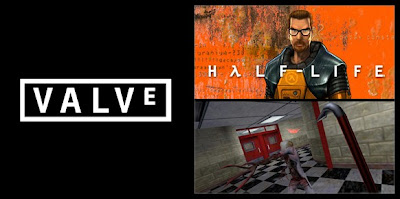
De todos los inicios conocidos de compañías, probablemente el de Valve fue uno de los más explosivos, y es que contar con dos fundadores adinerados y con experiencia como Gabe Newell y Mike Harrington (ambos ex-empleados de Microsoft) ayudó mucho. Sólo así se explica que su primer videojuego resultara ser nada más y nada menos que Half-Life, un FPS ideado para asustar como Doom y para sorprender como pocos gracias a una versión muy modificada del Quake Engine (el Goldsource, que sería el precursor del reputado Source Engine). Sin duda, un gran proyecto cuyo mayor problema fue su magnitud, y no por nada negativo, sino porque no había muchas distribuidoras dispuestas a hacerse cargo de tal titán jugable. Pero Sierra acabó aceptando el reto, y seguro que no se arrepintió en absoluto.
Retro Studios
· Nacionalidad: EEUU
· Año de fundación: 1998
· Número de empleados: 150 (cifra variable)
· Títulos más notables: Metroid Prime 2, Metroid Prime 3 y Donkey Kong Country Returns.
· Año de fundación: 1998
· Número de empleados: 150 (cifra variable)
· Títulos más notables: Metroid Prime 2, Metroid Prime 3 y Donkey Kong Country Returns.
Su primer videojuego: Metroid Prime (2002, Gamecube)

A pesar de que Nintendo posteriormente descubriera que era un holgazán y le gustaban demasiado las faldas, al veterano Jeff Spangenberg (fundador también de Iguana Entertainment) no se le puede ocultar el mérito de fundar Retro Studios. Impresionados por Turok 64 -creado precisamente por Iguana- los nipones pidieron ayuda para desarrollar un proyecto destinado al público adulto de su actual consola: Gamecube. El resultado todos lo conocéis: Metroid Prime, el cual se empezó a gestar después de que el mismísimo Miyamoto se viera sorprendido por una demo técnica del motor FPS que había diseñado Retro. Todos los proyectos entonces existentes en la compañía estadounidense se cancelaron para centrarse en Samus Aran, dedicando sus empleados unas 80 horas semanales para acabar un título que finalmente sería un éxito, convirtiendo a Retro Studios en subsidiaria indiscutible de Nintendo.
Audio perteneciente al programa 350 de Game Over emitido el 4 de julio de 2009 durante la sección "Todo lo que quiso saber sobre el mundo de los videojuegos y nunca se atrevió a preguntar".
Este audio pertenece al programa Game Over al que podéis acceder desde el siguiente enlace:
http://www.portalgameblogger.com/
Este audio pertenece al programa Game Over al que podéis acceder desde el siguiente enlace:
http://www.portalgameblogger.com/
Rockstar Games
· Nacionalidad: EEUU
· Año de fundación: 1998
· Número de empleados: Más de 1000 (cifra estimada)
Títulos más notables: Lemmings, Grand Theft Auto, Body Harvest, GTA II, GTA III, Midnight Club, Manhunt, GTA: San Andreas, The Warriors, Bully, GTA IV y Red Dead Redemption.
· Año de fundación: 1998
· Número de empleados: Más de 1000 (cifra estimada)
Títulos más notables: Lemmings, Grand Theft Auto, Body Harvest, GTA II, GTA III, Midnight Club, Manhunt, GTA: San Andreas, The Warriors, Bully, GTA IV y Red Dead Redemption.
Su primer videojuego: Menace (1988, Amiga)

Aunque a Rockstar la conozcamos más por los hermanos Houser, la verdad es que la auténtica matriz de la compañía nació incluso antes de que ellos estuvieran, con figuras como David Jones o Russell Kay en tierras escocesas. DMA Design (ahora Rockstar North) fue esa empresa, una que en 1988 firmó un acuerdo con Psygnosis para desarrollar Menace, un “shooter” en scroll horizontal -al más puro estilo R-Type- con altas dosis de calidad y dificultad. Realmente, es curioso que la compañía se especializara inicialmente en este tipo de títulos (a él le siguió otro shoot ‘em up: Blood Money), sobre todo teniendo en cuenta lo que llegaría después: Lemmings y, sobre todo, Grand Theft Auto, que auspiciaría la creación de Rockstar Games.
Valve
· Nacionalidad: EEUU
· Año de fundación: 1996
· Número de empleados: 260 aprox.
Títulos más notables: Counter-Strike, Day of Defeat, Half-Life 2, Portal, Team Fortress 2, Left 4 Dead y Portal 2.
· Año de fundación: 1996
· Número de empleados: 260 aprox.
Títulos más notables: Counter-Strike, Day of Defeat, Half-Life 2, Portal, Team Fortress 2, Left 4 Dead y Portal 2.
Su primer videojuego: Half-Life (1998, PC)
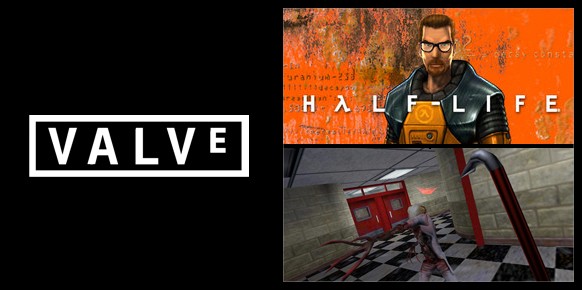
De todos los inicios conocidos de compañías, probablemente el de Valve fue uno de los más explosivos, y es que contar con dos fundadores adinerados y con experiencia como Gabe Newell y Mike Harrington (ambos ex-empleados de Microsoft) ayudó mucho. Sólo así se explica que su primer videojuego resultara ser nada más y nada menos que Half-Life, un FPS ideado para asustar como Doom y para sorprender como pocos gracias a una versión muy modificada del Quake Engine (el Goldsource, que sería el precursor del reputado Source Engine). Sin duda, un gran proyecto cuyo mayor problema fue su magnitud, y no por nada negativo, sino porque no había muchas distribuidoras dispuestas a hacerse cargo de tal titán jugable. Pero Sierra acabó aceptando el reto, y seguro que no se arrepintió en absoluto.
**ARTICULO PATROCINADO**
 |
| http://www.jue-com-es.blogspot.com/ |
Contenido integro de este artículo, fotografías y videos extraídos íntegramente de la Web: 3DJuegos.com

Videos// Youtube

Images: Google

Top 10 Video Games of 2011 : The Ones That Redefined Virtual Gamin
Posted by admin
on
viernes, 9 de diciembre de 2011
, under
best games,
general news,
Top 10 Video Games of 2011
|
Top 10 Video Games of 2011: The Ones That Redefined Virtual Gaming
This year has been one of innovations and even revolutions in the gaming industry, one that has paved the way for the future. Big-name titles came and went, and a select few have become immortals in their own right.
Check out some of the best games of 2011 -- and do remember that this is an awfully subjective subject.

elderscrolls.com: The Elder Scrolls V: Skyrim
No. 10: Battlefield 3 (PC, Xbox 360, PlayStation 3, iOS)

"Battlefield 3" is the latest war-based first-person shooter (FPS) from developers EA DICE. It was arguably one of the most anticipated releases of 2011, and was positioned as a direct response to Activision and Infinity Ward's "Call of Duty" franchise.
Like us on Facebook
DICE's game boasts ground-breaking advancements in an epic that sees the player assume the identity of a U.S. Marine and fight the enemy in New York, Paris, and Tehran, Iran. The game also featured the debut of the Frostbite 2.0 game engine, one that made the environment and the magnitude of destruction far more lifelike than before. The ANT technology, previously used in EA's FIFA series, has also been put to good use. The player is given an awesome array of fighter jets, helicopters, tanks, armored patrol cars, and other transport options. An aggressive multiplayer mode is also featured that supports more than 60 combatants, making it a game for the ages.
No. 9: Total War -- Shogun 2 (PC)
Shogun 2 Total War Battle Report 1 Trailer [HD]
 Developer: Creative Assembly

One of the best real-time tactics-based strategy games of the year, "Shogun 2" takes the player back to 16th-century Japan. Developer Creative Assembly has worked hard on this edition, making it a more manageable experience with focused gameplay and wonderful mechanics, which changes to suit the type of battlefield.
Players must choose from one of nine different clans that inhabit the provinces of Japan (these include one in the limited edition of the game and another as downloadable content). Of course, each clan has its own advantages, compared with the others. For example, the Chosokabe inhabit the Tosa province and can recruit superior archers, while the Date clan control Iwate and can recruit superior no-dachi samurai. The Hojo are greater builders and begin in their homeland of Izu, while the Mori have a long history of naval mastery with their home in the Aki province.
No. 8: Batman -- Arkham City (PC, Xbox 360, PlayStation 3, Wii U)

Batman returns to the consoles, after his exploits at Arkham Asylum, and this time the stakes are higher. Bruce Wayne will take on an absolute Who's Who list of bad guys, in a purpose-built high-security jail/mental asylum, right in the middle of Arkham City, courtesy of Mayor Quincy Sharp.
A serious game-of-the-year candidate, it is built on the solid foundations of its predecessor, with new and effective melee attacks, improvised bat-gadgets, impressive detective work, and an emphasis on stealth play, all making the game a hugely enjoyable experience. The villains include Joker, Two-Face, Catwoman, Dr. Hugo Strange, Calendar Man, and Solomon Grundy. In addition, Catwoman has been made a playable character, with her own heist-focused storyline that pops up at specific points in the game, with equally specific acrobatic-oriented combat moves.
No. 7: FIFA 12 (PC, Xbox 360, PlayStation 3, Mac OS X, PSP, iOS)

Watch the amazing new FIFA 12 trailer from gamescom 2011.
Find out more about FIFA 12:
Find out more about FIFA 12:
EA Sports' FIFA series is one of the developer's most popular titles. The 2012 edition features improved gameplay, competitive scenarios, updates to club and country lineups -- all of which makes it one of the most anticipated footballing games this year.
The developers have taken the game up a few levels: The career mode is now harder than ever, given the tweaks to the manager's relationships with his players and the media. Team selection, success, and salaries can all affect the individual player's attitude and morale. The press will also pick up on injuries and discontented players, massively impacting performance on the pitch.
Unhappy players can now talk to the press and generate interest from other clubs, which complements the revolutionary new transfer AI. Other improvements to the career mode include the calendar, news-story displays, and news feeds, which will make information such as upcoming events, transfers, and rumors more accessible.
No. 6: Rage (PC, Xbox 360, PlayStation 3)

"Uprising" is the new trailer for RAGE, the highly anticipated shooter from id Software!
"Uprising" tells the story of your epic journey through RAGE
"Uprising" tells the story of your epic journey through RAGE
ID Software's Rage, with its postapocalyptic setting, may feel like "Fallout 3," but, in reality, the new game is anything but that. The world is somewhat similar to that of George Miller's cinematic classic "Mad Max" series starring Mel Gibson, and it is set in time following the impact of Asteroid 99942 Apophis. The game features the voice talent of well-known actors such as John Goodman and Tara Strong.
Players have the ability to enhance their cars with various items and upgrades gained from completing races. However, the game also features role-playing elements, which includes an inventory and looting system and a very well-refined FPS feel. The game has two multiplayer modes -- Road Rage and Legends of the Wastelands.
No. 5: Uncharted 3 -- Drake's Deception (PlayStation 3)

Rejoin Nathan Drake in one of the most epic modern-day adventures of the year. After the hugely successful "Uncharted 2: Among Thieves," developer Naughty Dog takes Drake to the fabled "Atlantis of the Sands." The protagonist's moves have been captured with an interactive cinematic experience, drawn from Hollywood, and they are sights to behold, as he makes his way through the Rub' al Khali Desert, in search of the legendary lost city -- the Iram of the Pillars. What's more, Chloe Frazer and Elena Fisher also return. Other improvements include online multiplayer support and stereoscopic 3-D visuals.
No. 4: Gears of War 3 (Xbox 360)

The remains of Delta Squad make their last stand in the shooter game Gears of War 3 in this gameplay demo straight from E3 2011
"Gears of War (GOW)" fans will know the stakes are as high as it can get now. "GOW 3" is all about a human race on the verge of extinction at the hands of the Locust and the newly introduced Lambent (Locust mutated by exposure to a liquid known as Imulsion). In fact, so dire is the situation that women have also joined the fight for survival. The game picks up where it left off last time -- when Marcus Fenix and his COG forces were compelled to destroy the Jacinto plateau, which was the last major city on the planet Sera, since the appearance of the Locust on Emergence Day, 17 years earlier, to flood the locust tunnels and slow the spread of the Lambent.
No. 3: Deus Ex -- Human Revolution (PC, Xbox 360, PlayStation 3, Mac OS X)

The game is set in 2027, which is 25 years before the first title of the series, at a time when unscrupulous multinational corporations have developed their operations beyond the control of national governments.
The player will follow Adam Jensen, whose body has undergone painful augmentation following an attack on Sarif Industries where he was critically injured. Now Jensen is a deadly weapon and more than just an ordinary man.
The game will take place in futuristic Montreal, Detroit, and Shanghai. The player will be able to upgrade and improve Jensen's abilities in four different groups: stealth, social, hacking, and combat. The game also uses a new regenerating health model. This change was made because the developer did not want players to get into a situation where they were unable to progress due to low health and would be forced to hunt for med packs and food.
No. 2: Call of Duty -- Modern Warfare 3 (PC, Xbox 360, PlayStation 3, Wii)

Play MW3 MP first, compete in the $1 Million tournament sponsored by Xbox 360, incredible live events, Sept. 2nd & 3rd in LA.
"Call of Duty: Modern Warfare 3" was also one of the most anticipated games of the year, and, like EA's FIFA series, a veritable cash cow for developers Activision and Infinity Ward. Although 2011 was special because the series, perhaps for the first time, was given some sort of competition by "Battlefield 3," it still lived up to all expectations, with a gripping storyline that followed Capt. John Price, Soap MacTavish, and Vladimir Makarov.
Two weeks before the release of the game, it was reported that half the PC version had been uploaded online, after being stolen from a warehouse in Fresno, Calif. Investigators hired by Activision have been searching torrent Web sites for traces of the game, in addition to visiting people with illegal downloads and offering them a simple choice -- either remove it or pay a fine of $5,000.
No. 1: The Elder Scrolls V -- Skyrim (PC, Xbox 360, PlayStation 3)

"Skyrim" is the fifth installment in Bethesda Softworks' long-running fantasy action/role-playing game series. Skyrim is the name of the region just north of Cyrodiil, the location where "The Elder Scrolls IV" was based and is within the fictional world of Tamriel. Did you know that among the nine provinces in Tamriel, Skyrim was the first to boast a human settlement? Actually, the Nords settled in that area.
Although it has been more than 15 years since "The Elder Scrolls: Arena" was released, the game still looks as fresh as ever. The main story, set 200 years after the events in "Oblivion," revolves around the player's efforts to defeat Alduin, the firstborn of Tamriel's primary deity Akatosh. Alduin is prophesied to destroy the world. "Skyrim" was first announced at the Los Angeles Convention Center in Los Angeles last Dec. 11.


Article,photographs and video taken entirely from the web http://www.ibtimes.com/


